A+ tasks

The Battle of Alexander at Issus by Albrecht Altdorfer (1528)
In November 1857, Henry David Thoreau wrote a letter to his friend H.G.O. Blake, a former minister struggling to find purpose beyond routine work. America was in the middle of a severe financial panic, and people were obsessed with "hard times" and productivity. He sent this:
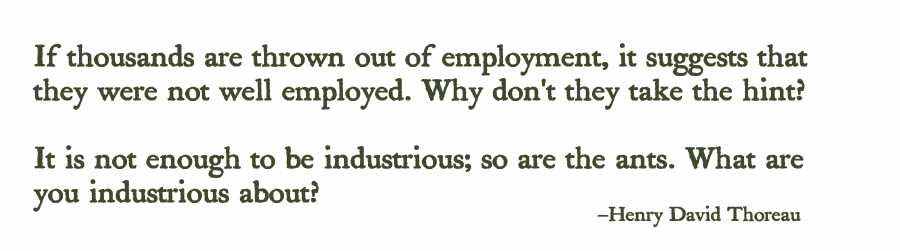
What Thoreau was basically saying is that the quality of tasks is way more important than the intensity. Ants can 10x their intensity, but would that mean that they will take over the earth and replace humans?
After all we have about approx 2.5 million ants for every person.
Luckily, that's not how the world works.
The difference is A+ tasks. Humans did A+ tasks to rise to the top of the food chain.
In the same way, I think the difference between great writers and average writers is the type of tasks they choose to do.
Average output is B+ tasks strung together. Great output is A+ tasks strung together.
Five A+ task I've been able to identify till now:
1. Wrong Lodestars:
I've seen a couple of seriously talented upcoming writers who genuinely love some very mediocre writers just because they either have a big brand or are making some money. But it's the wrong lodestar to have. You should have a very clear idea of who these people are who only publish A+ content and expose yourself to them consistently. For me, it's literally no one on LinkedIn. I only go to Twitter for inspiration. Some of my favourite writers are Dylan , Seele, Lauren, Will, Jae. Very "in your face" authencity.
2. Take hard actions:
Many ghostwriters treat content like early 2010s Facebook updates. Unnecessary personal stories people are barely interested in (maybe your friends and mum are). I always like to think that if my content doesn't come from hard-real-life action, it simply has no soul, and that doesn't happen if the task was something anyone could do.
3. Build Cabinet of Curiosities:
Don't take anyone's swipe file as it is. Always create your own. So, even if I give you one, just copy what you find interesting and kill the rest, like a good Spotify playlist. It should have some part of you inside it. Now swipe can mean interesting quotes you find in a book, to a really cool blog post. The purpose is the same– it helps you generate ideas immediately. Only great writing does that.
4. Know the sequence:
I literally don't start writing until I have the big idea. I wait for it, I don't pluck it out of thin air and declare "this is what I'll write about". No. As a good recruiter, I check the resume of the idea. Where is the idea coming from (author/writer/research)? Is it something that I believe in, too? Do I have something to add if I were to rewrite it? Only after I have my skeleton of the post ready (meaning the big idea and subheadings), I feel like I can start fleshing out the first draft.
5. Taking breaks from focus, not distractions:
No A+ tasks are done in a place of distraction. I'm a big believer in using app/website blocker tools like Freedom. My quality of writing has improved severely in the last 2 years since I have started using them. Earlier, I used to write my first drafts, and as soon as I got stuck, I would pick up my phone and start scrolling Twitter. Now I am just inside the blocked zone for at least 12-16 hours each day.
As Cal Newport says:
"Take breaks from focus, not distraction."
Focus should be your default.
That's it for the day.
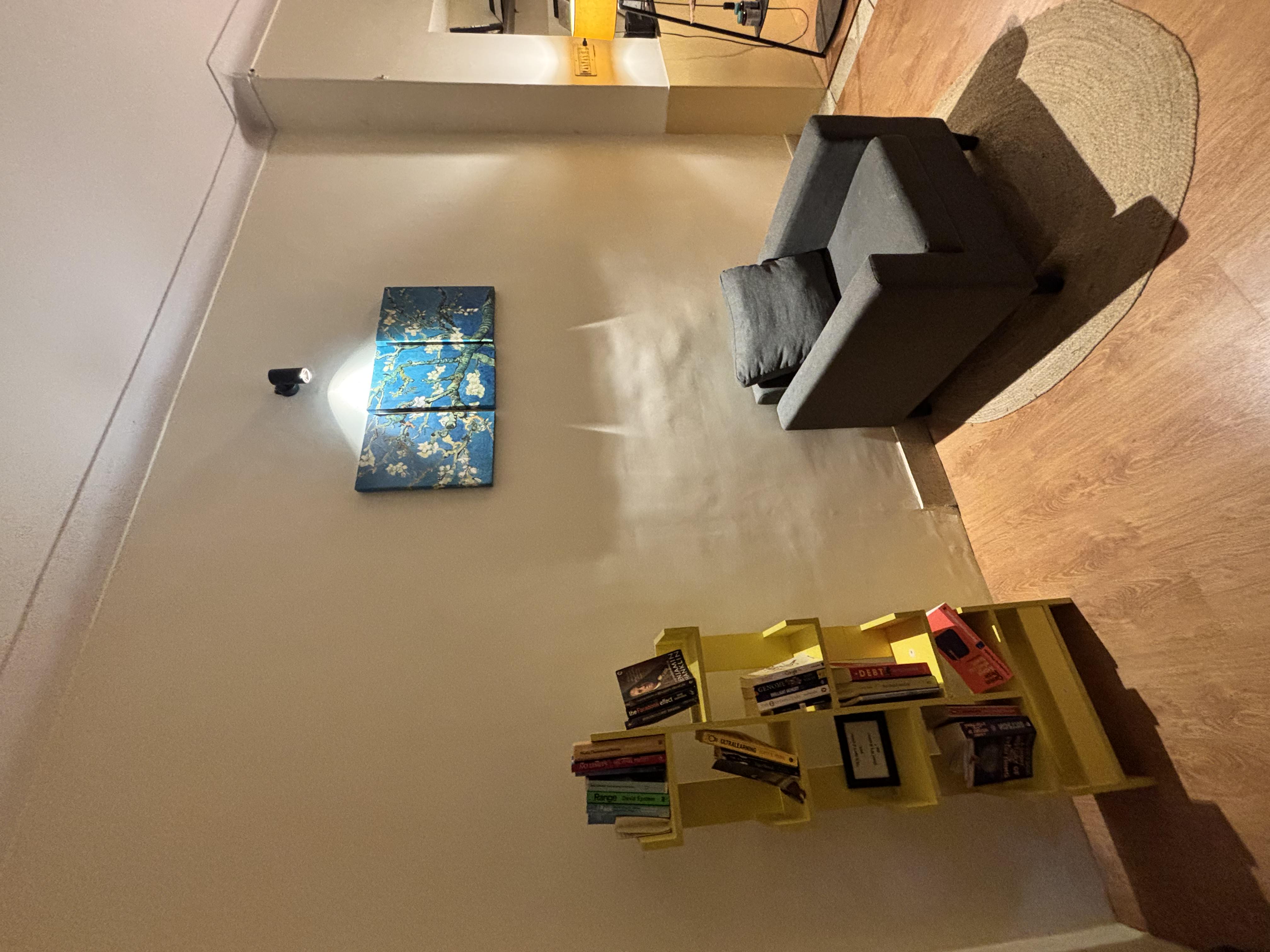
In other news, I got more art for my home office. Now I got 2 Van Goghs at my home.
That's it for the day.
This is part of an email that I sent to my list.
If you wish to read my emails regularly, join my newsletter below.
Thank you for your attention.
That's it for the day.
This is part of an email that I sent to my list.
If you wish to read my emails regularly, join my newsletter below.
Thank you for your attention.