Hate to write personal stories everyday?
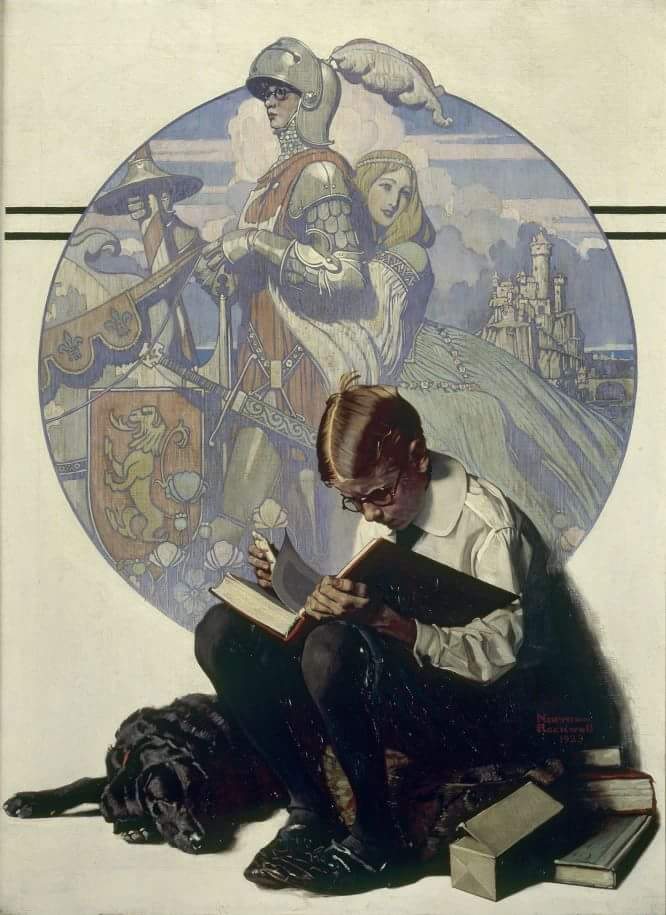
Boy Reading Adventure Story, 1923. By Norman Perceval Rockwell
"Post personal stories to stand out."
"Learn storytelling. You'll be invincible."
"Stories are the only way to build a unique brand."
Most founders get under pressure and post nothing.
You're not alone.
Even I don't like to share too much personal information about myself on the internet.
Seems like there's too much wannabe vibe going on.
Yet, I have 52,000 followers on Twitter.
I'm a firm believer that personal brand is not about telling more stories.
But it's about telling the right stories.
Thank God I read "You Are the Brand" by Mike Kim, a good book by a great marketer.
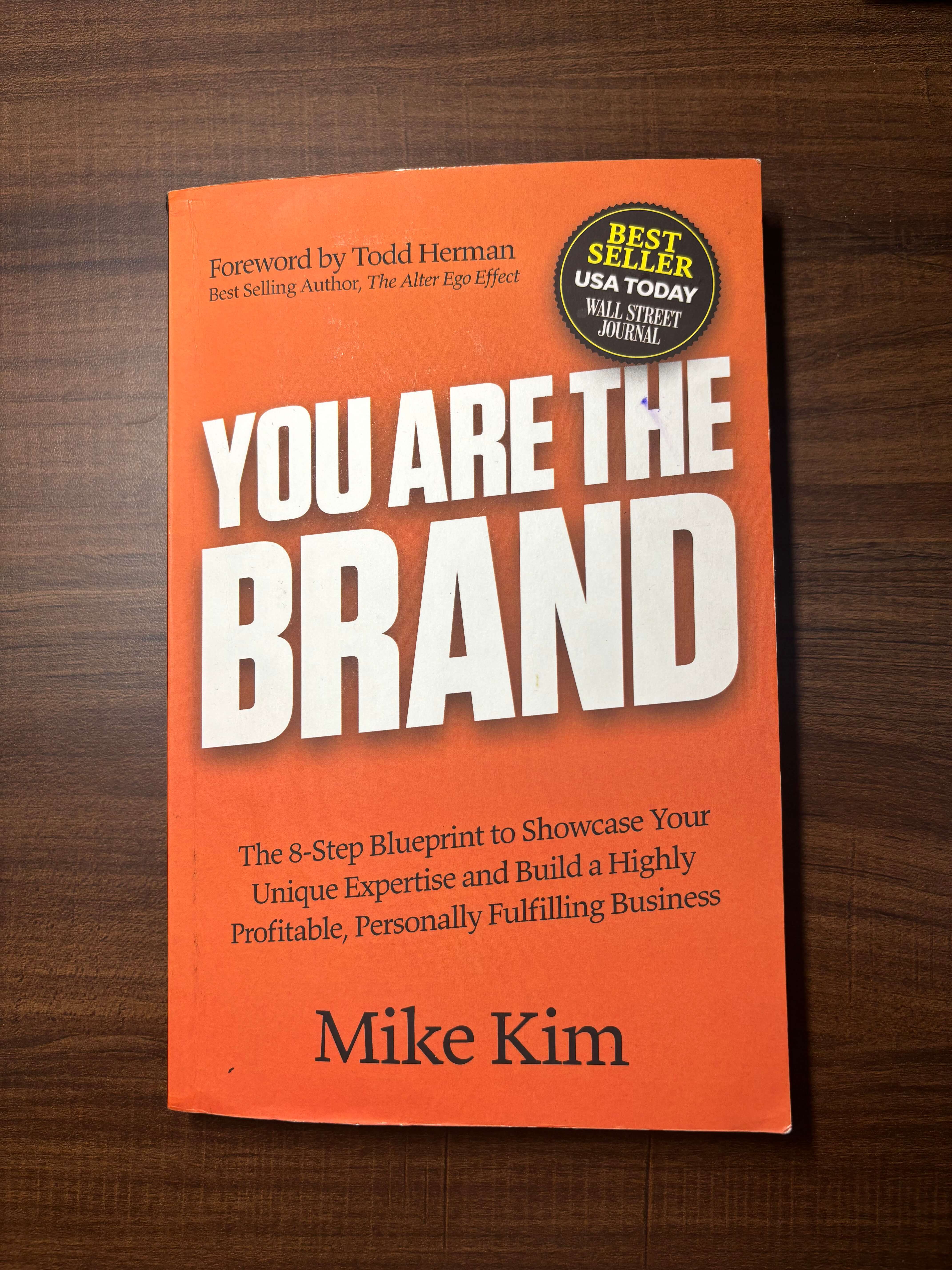
It helped me realize that you only need 3 stories to build a standout personal brand. I also noticed that big founders are already taking advantage of this.
Today, I’ll take that pressure off you.
So what are those 3 evergreen stories?
1. Personal story - Where are you coming from?
2. Business story - Whose problem are you solving and why?
3. Client story - What are your clients saying about your business?
Each one serves a specific purpose and belongs to one funnel.
Let’s break it down:
1. Personal story
Research shows that liking the same color can bring two people closer.
Similarity leads to attraction.
Now, imagine sharing a full-fledged story of who you were, where you're going, and why you're going there.
Let’s break it down to an even simpler, actionable template:
I’m a software developer building an online business to achieve financial freedom before I turn 30.
I’m (your profession/skill-set) + (what you’re currently building) + (your ultimate dream outcome)
When you say it out loud, this statement gives you clarity.
Here is a good example (shameless brag huh):
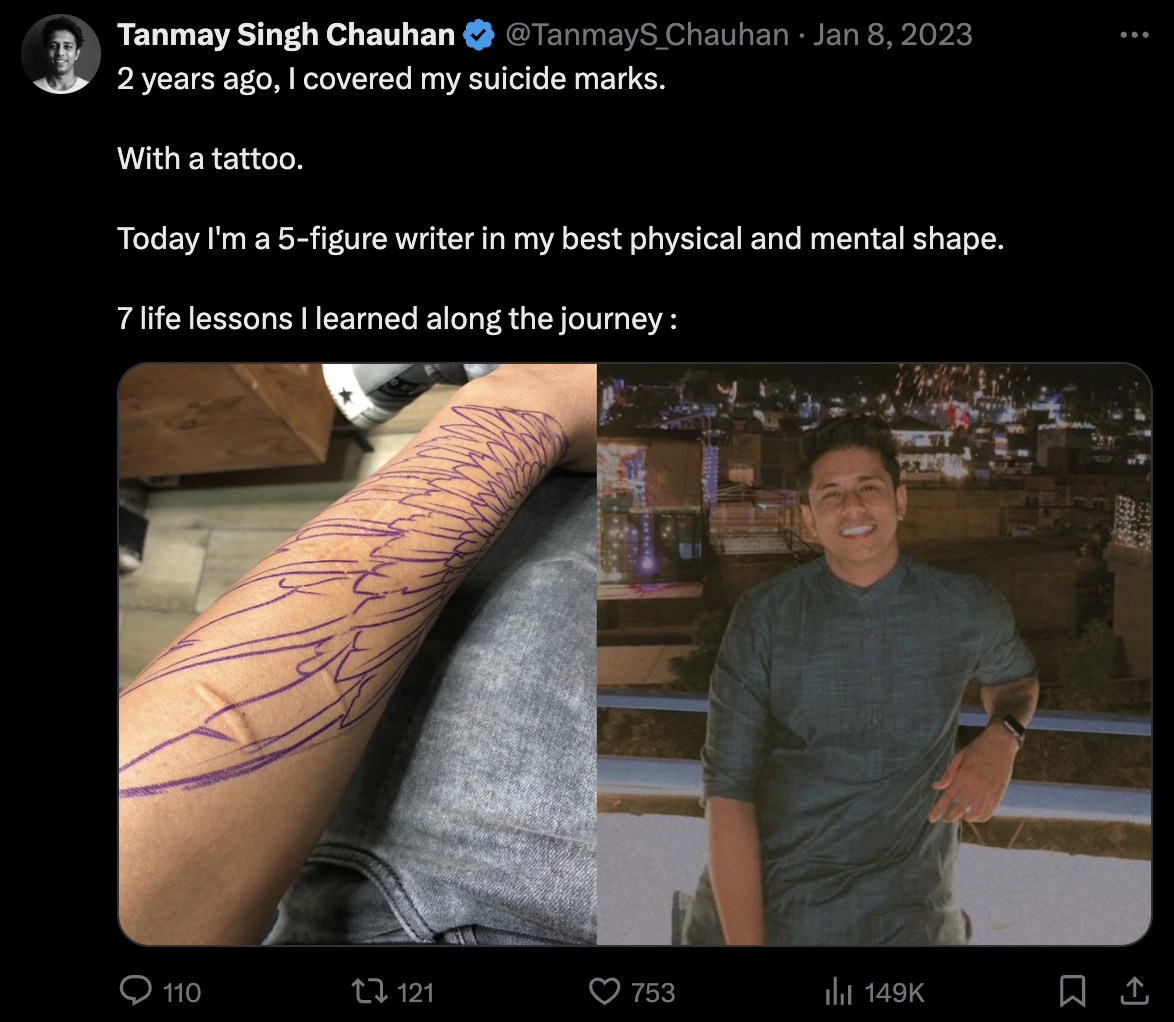
This story aims to break the ice and start a conversation with like-minded people.
Usually, it belongs at the top of the funnel.
2. Business Story
Seth Godin once said, "The Goal of marketing is to drive change. That change doesn’t necessarily mean making more money but a behavior change."
He unabashedly promotes that you should use a lock-and-key approach to market your business.
It means you first find the lock you want to open and then fashion a key.
Unfortunately, most people do the opposite.
They fashion a key (build a product first) and then look for the lock it fits.
Sounds stupid, right? But most people still do it.
That’s why you need a story for your target client.
You must show them you’re obsessed with their community and want to serve them by solving a problem.
Here is a good business story:
For example, I help overweight moms in their 30s get in shape and become confident.
I help (role of your client with one big pain) + (change you bring) + (to achieve the desired outcome)
The goal of this content would be to attract email subscribers.
3. Client Story
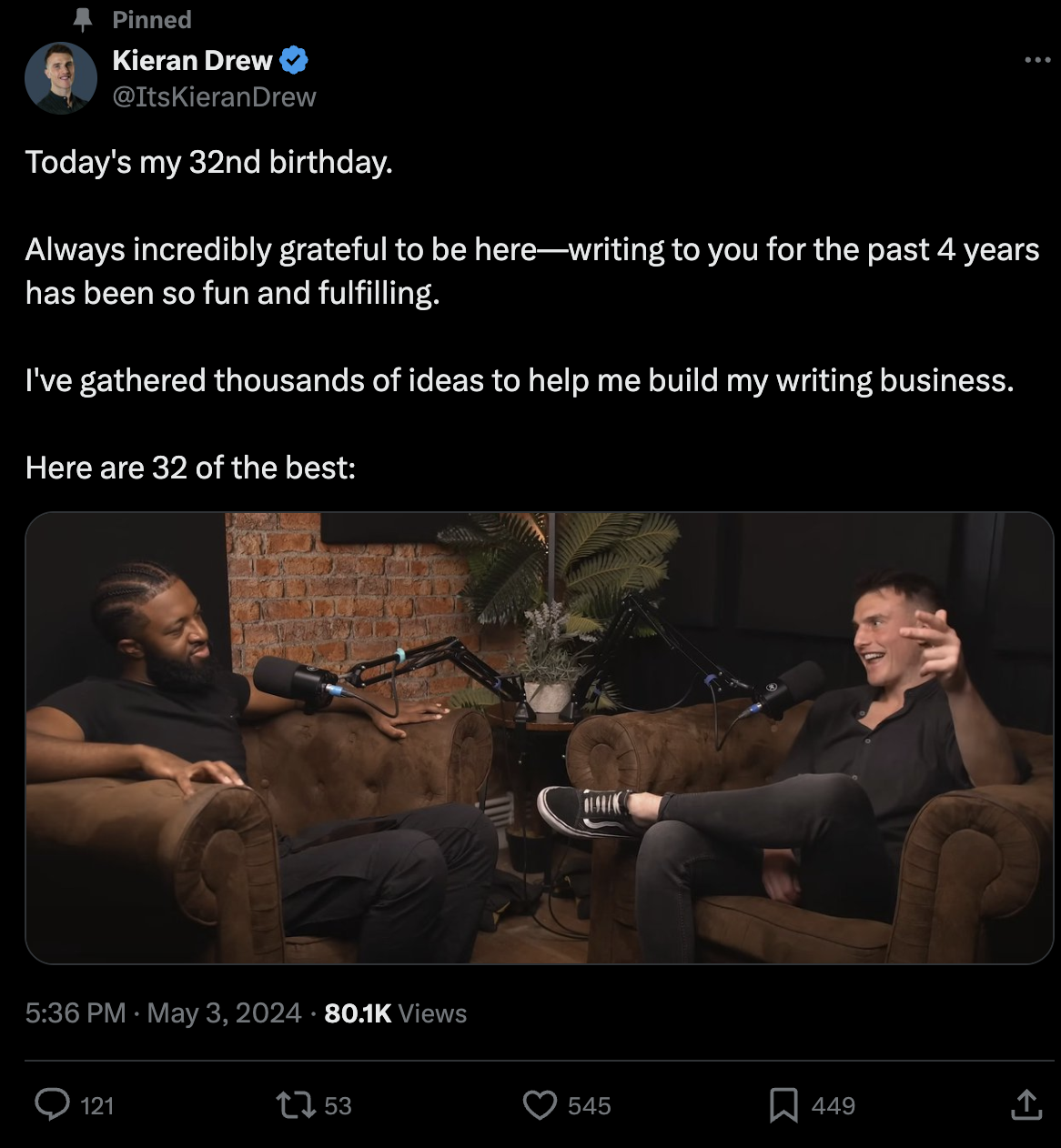
Kieran Drew once shared this chart of how people trust other brands.
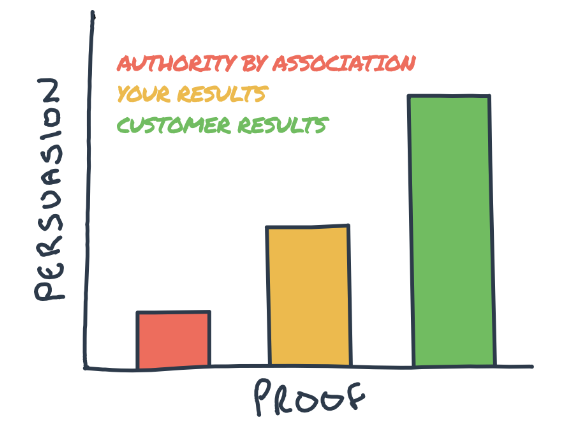
It’s the ultimate form of trust because they see themselves in that testimony.
However, I strongly believe that you should include this content in your email sequence.
But you can occasionally use it at the top of the funnel.
Here is an example of a client story:
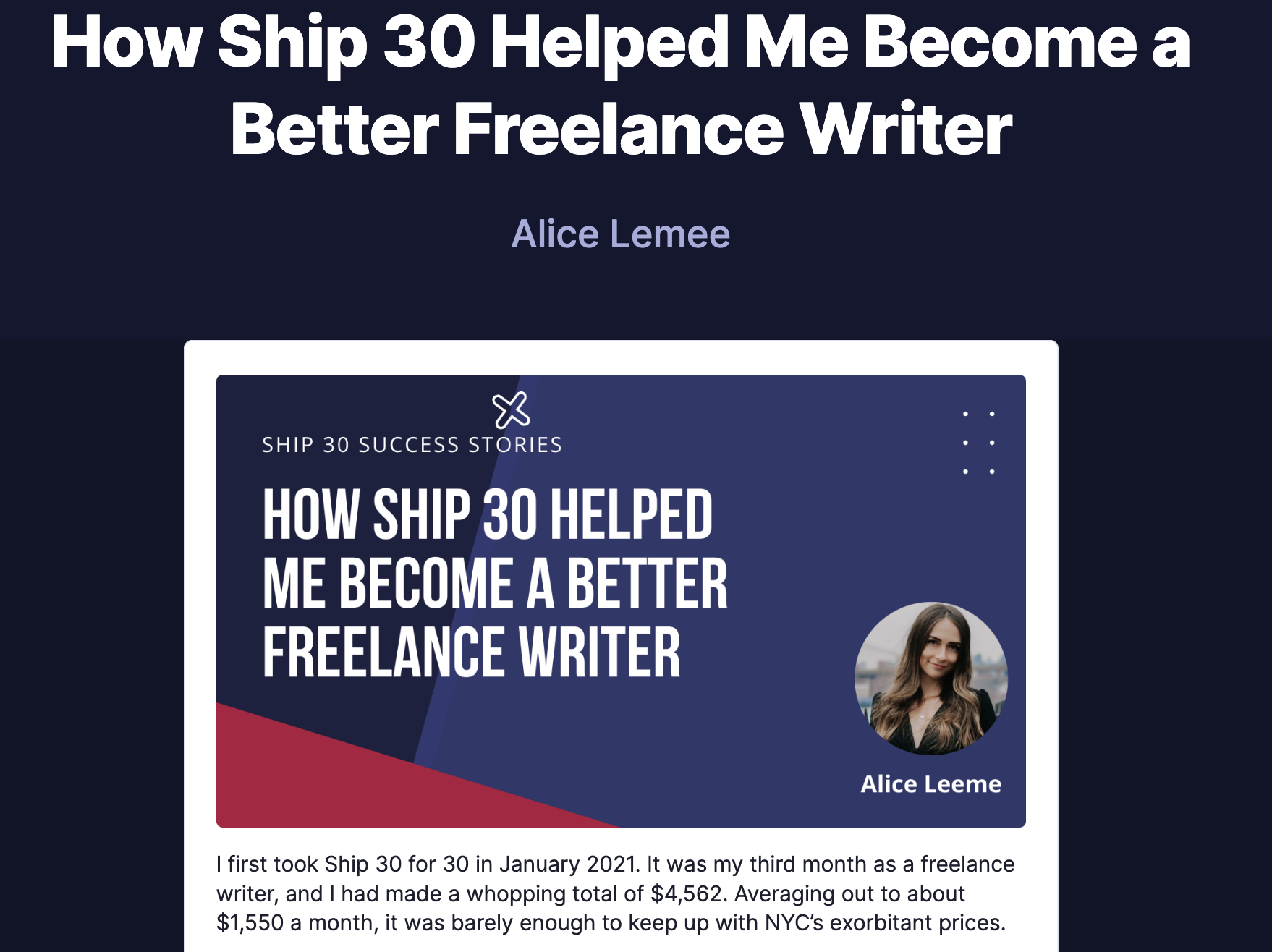
For example, I helped Luis, who was struggling to find work-life balance, go from working 36 hours a week to 12 hours and leading a more fulfilling life.
I helped (client) + (his one big problem) + (to dream solution) + (using your unique solution).
This story is purely for lead generation.
Instead of writing content without any aim, always consider the shelf life of the content.
Eventually, you’re working towards leverage.
What form of leverage would you get if you’re putting effort into writing a story that only gets published once?
Not much, I think.
You must write these three stories first; only after that should you focus on writing any others.
After nailing these stories, occasionally repurpose them. A thumb rule would be to share them every 3-4 months to remind your old audience and to introduce them to your new audience.
After all, the point of building a personal brand is to be remembered.
And we remember much more stories than any other things.
That's it for the day.
This is part of an email that I sent to my list.
If you wish to read my emails regularly, join my newsletter below.
Thank you for your attention.
That's it for the day.
This is part of an email that I sent to my list.
If you wish to read my emails regularly, join my newsletter below.
Thank you for your attention.