How to write pinned thread

North Star is a painting by Thomas Lupari
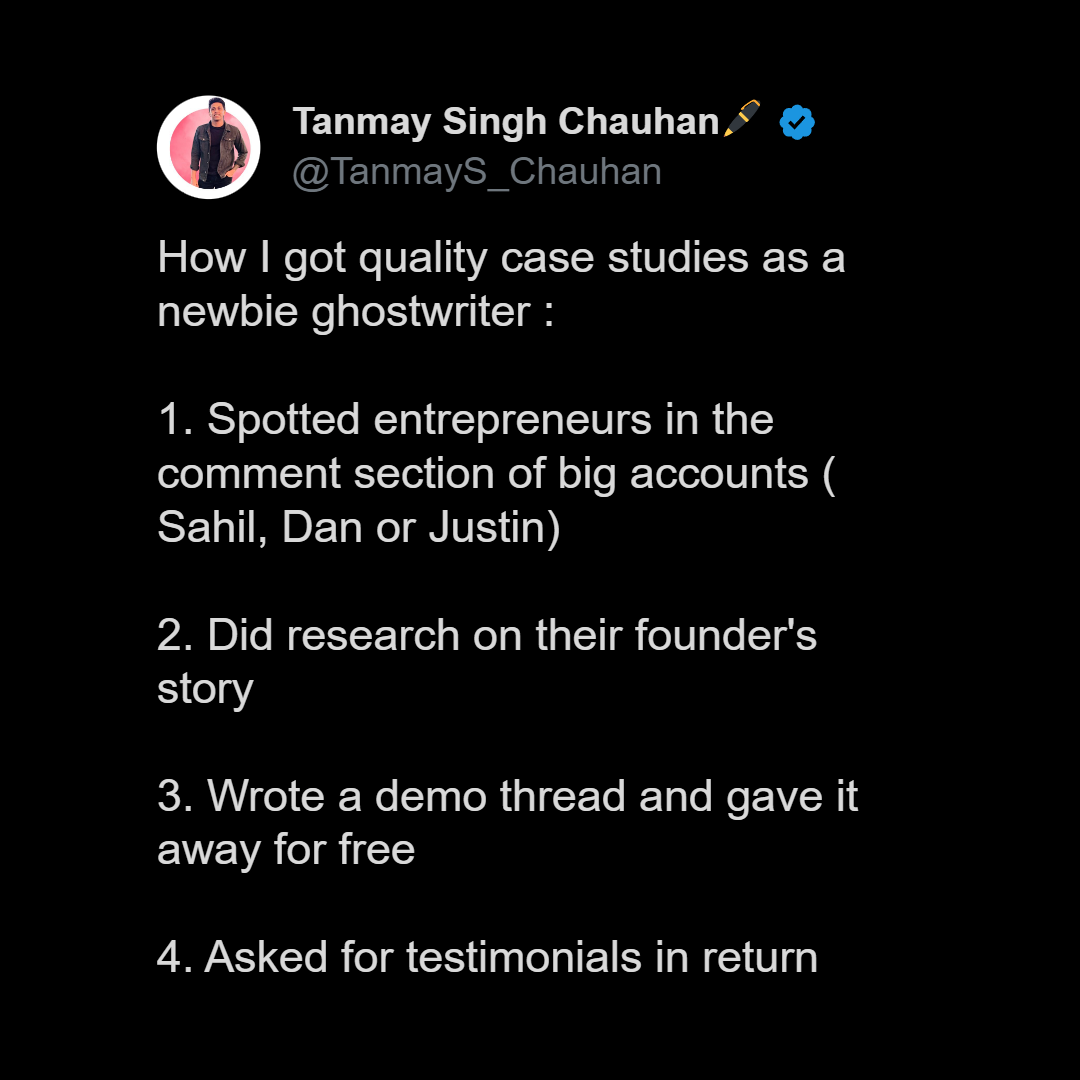
A few days ago, I posted a tweet about how, as a newbie, I used to get high-quality ghostwriting case studies.
These are the demo threads that I was talking about.
It's also the first thread I write for my clients as soon as I onboard them.
Here are 4 steps I take to write a killer pinned thread for my clients:
1. Hook guide
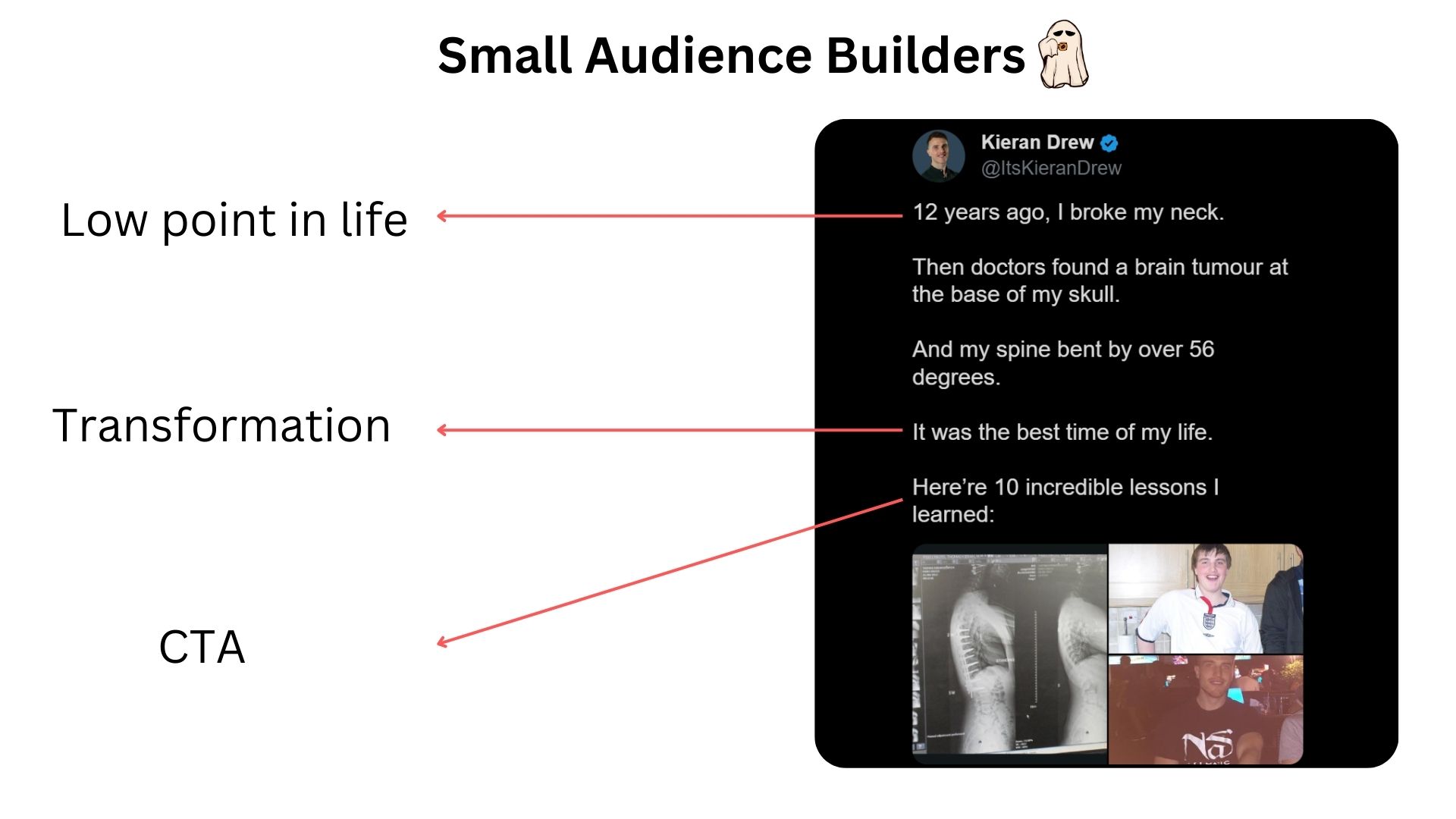
The hook of these threads mostly opens with a specific time.
For example:
• Z time ago, I was X state
Usually, it's the state their target audience is at the current moment.
It follows up with a transformation.
• Now I'm in Y state
Usually, the state audience also desires.
CTA of the hook can be a story, lessons or frameworks.
Kieran is pulling it off beautifully here.
2. Follow up with a rapport
Ask your client how they want to be positioned and what resonates most with their journey:
• Were they victim before their success? then the audience will root for them
• Were they in jeopardy? then the audience would worry about them
• Were they powerful? then the audience wants to be like them
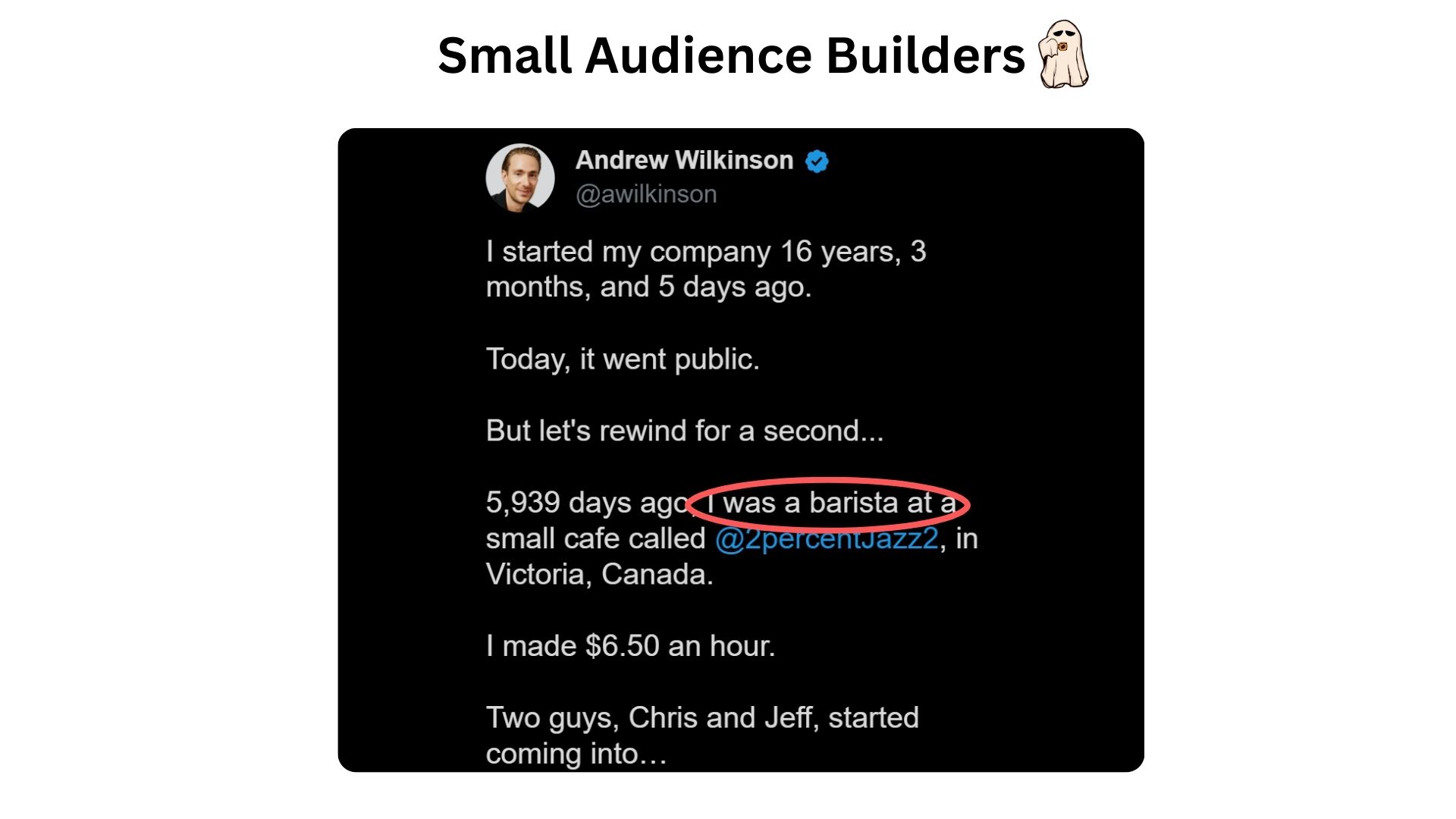
For example, the pinned thread of Andrew Wilkinson.
He wasn't exactly a victim, but he was working as a waiter, so the audience wanted him to win at the end of the thread.
Cover this in the first tweet after the hook.
3. Introduce desire
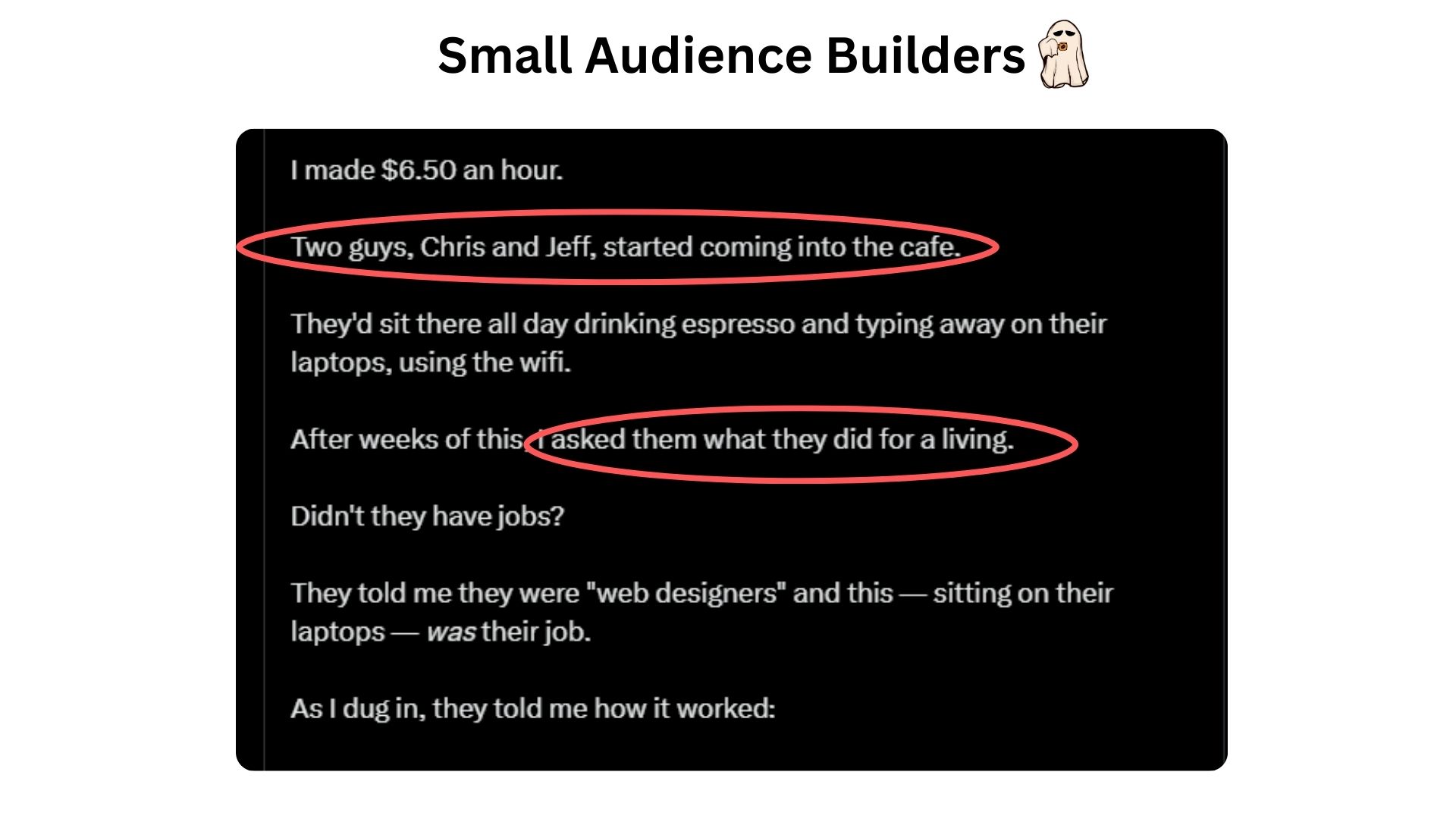
Now we have a backstory of your client established, it's time to bring a new event that flipped their life upside down.
It made them desire to:
• Win - Increase status
• Escape - Quit a bad job, relationship or anything else
Basically, you want to define the end goal of your client.
Cover this in 2nd and 3rd tweet
Following up on Andrew Wilkinson's story here:
4. Conflict
Ask your client what was the biggest obstacle they faced in their early career, and you will get the answer to this question.
It can be:
• No skills
• No money
• No mentor
• No network
Just define their pain.
Cover this in 3rd and 4th points.
Let's take my example:
"I wanted to attract high-ticket clients, but I didn't have the network, and I didn't know how to generate inbound leads."
5. Hope and Celebration
Now, you'll show the hardship your client went through to shatter all these obstacles.
The purpose is to show the audience that you can achieve it even with all the problems in the world.
This is where you introduce your client's business.
Another example:
"So I started taking courses on how to generate inbound leads and built my network along the way.
For the first 6 months, I couldn't see any visible results, but finally, it all started coming together.
Now I cracked the code to attract high ticket clients."
Remember, just tease them.
Celebrate outcome.
And back it up with proof.
Cover this in the 5th and 6th tweets.
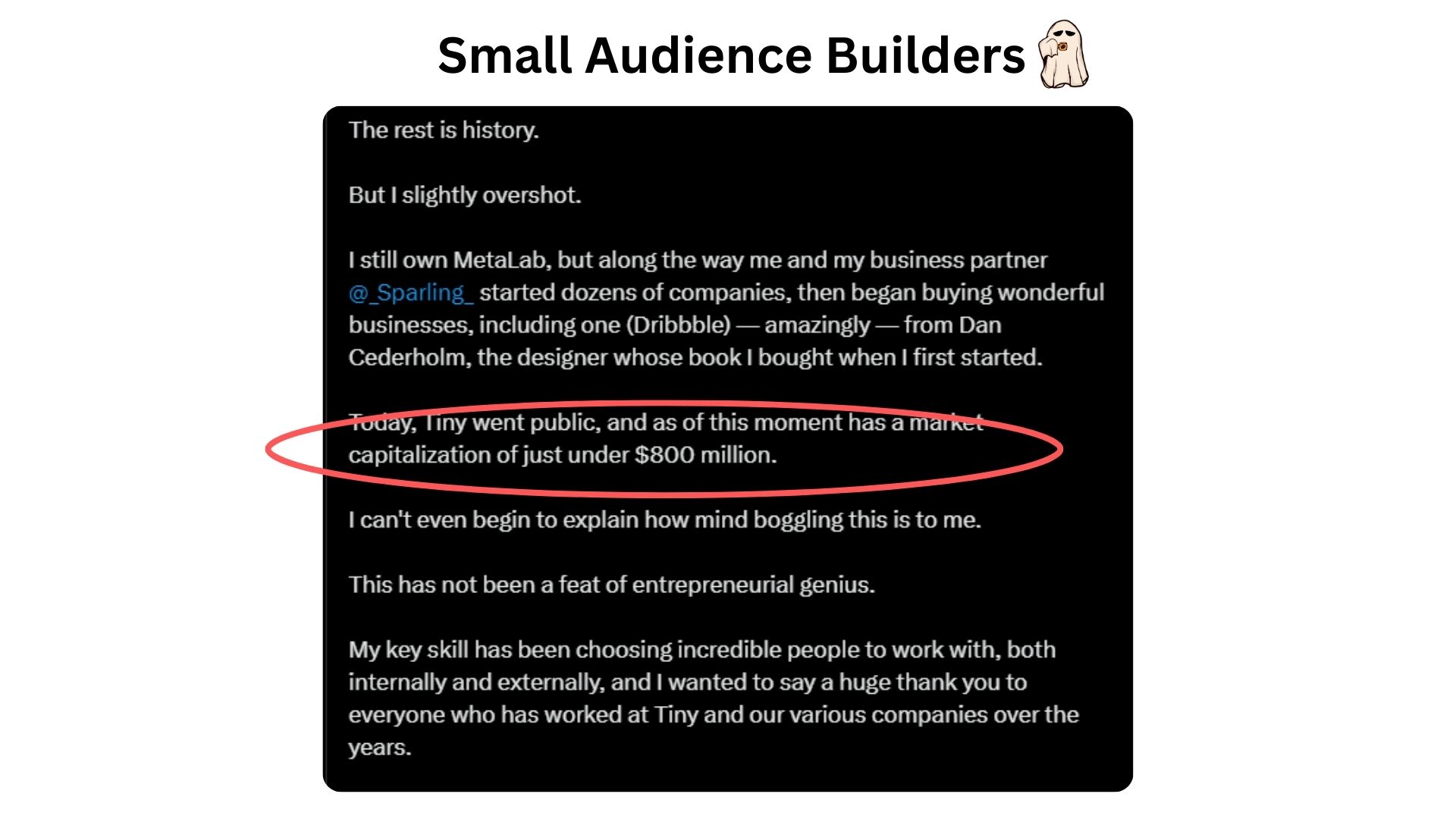
Here's Andrew Wilkinson's celebration point:
6. The big WHY
There will be a lot of people who might have a similar story.
But you want to tie your clients' work towards a vision.
• Why did they work so hard?
• What was the ultimate internal goal?
• What movement do they want to start that other people will join?
It can be freedom, spending more time with loved ones or helping the world make a better place.
This vision is your client's USP.
Cover this in the last point of the thread.
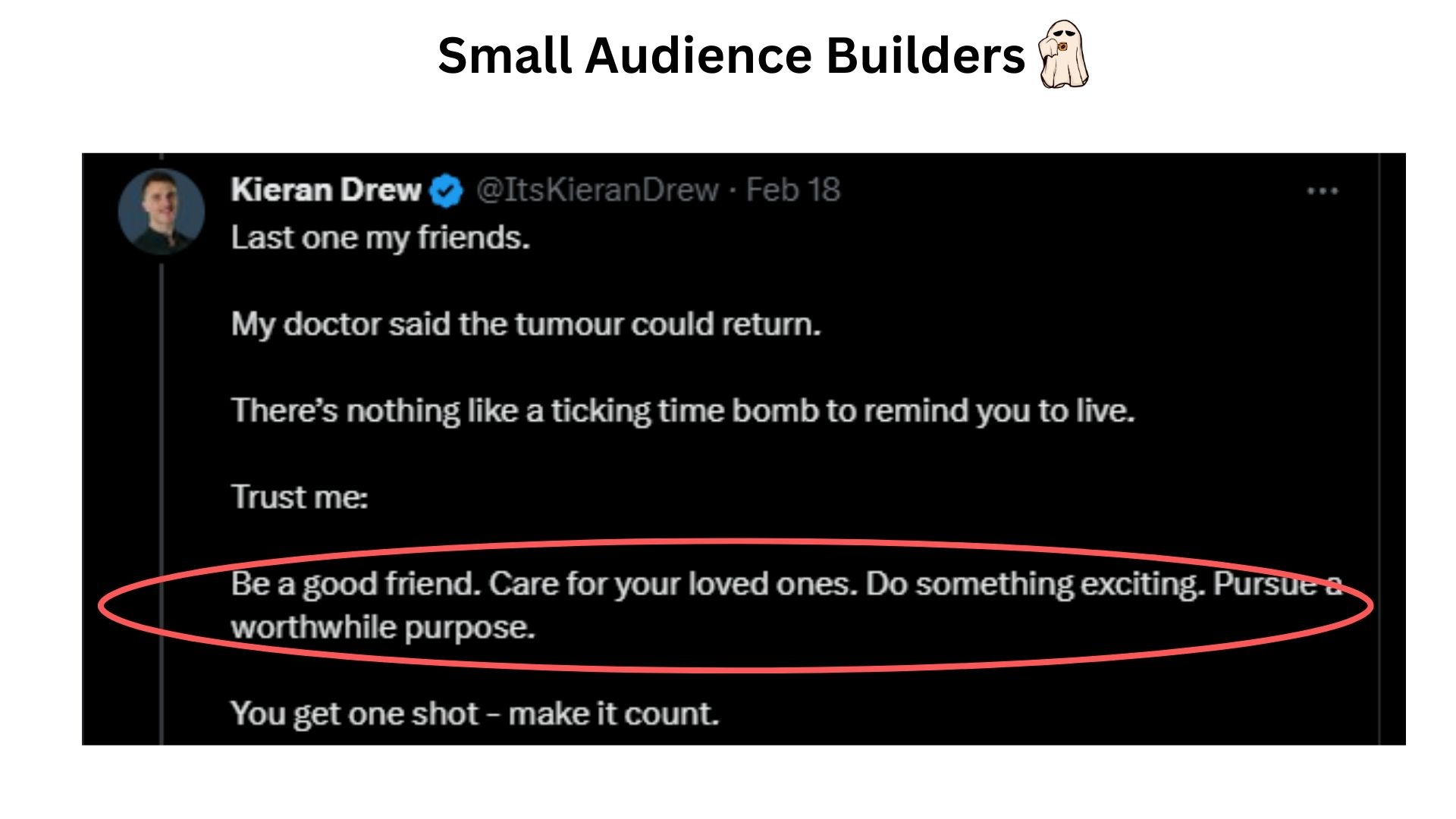
Here's Kieran Drew's Vision:
That's it.
If you nail all these together, you'll have a very powerful asset.
It will help you turn lurkers into followers, or it can also be used in podcasts/twitter spaces to get more authority.

That's it for the day.
This is part of an email that I sent to my list.
If you wish to read my emails regularly, join my newsletter below.
Thank you for your attention.
That's it for the day.
This is part of an email that I sent to my list.
If you wish to read my emails regularly, join my newsletter below.
Thank you for your attention.